Dolores River Canyon

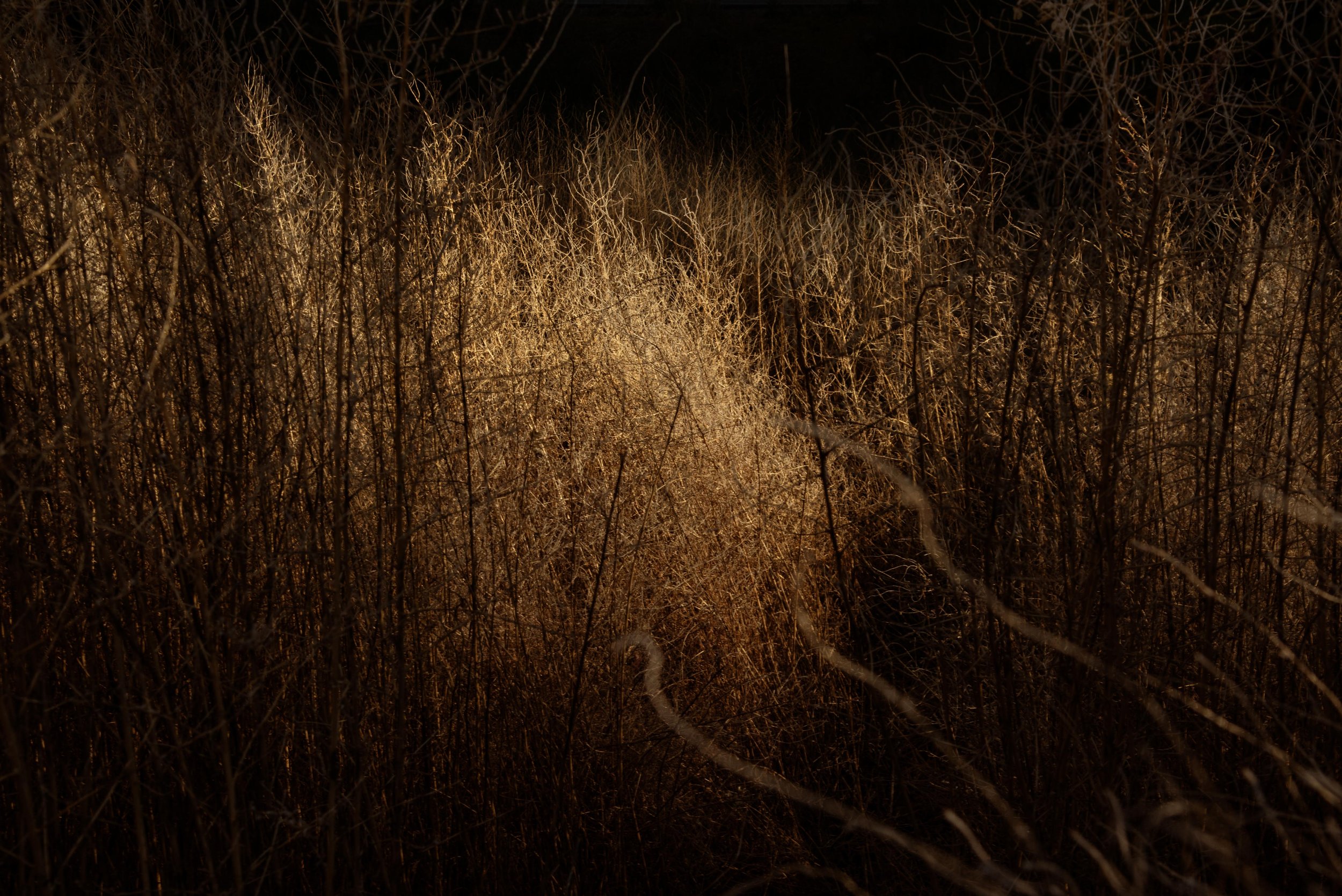
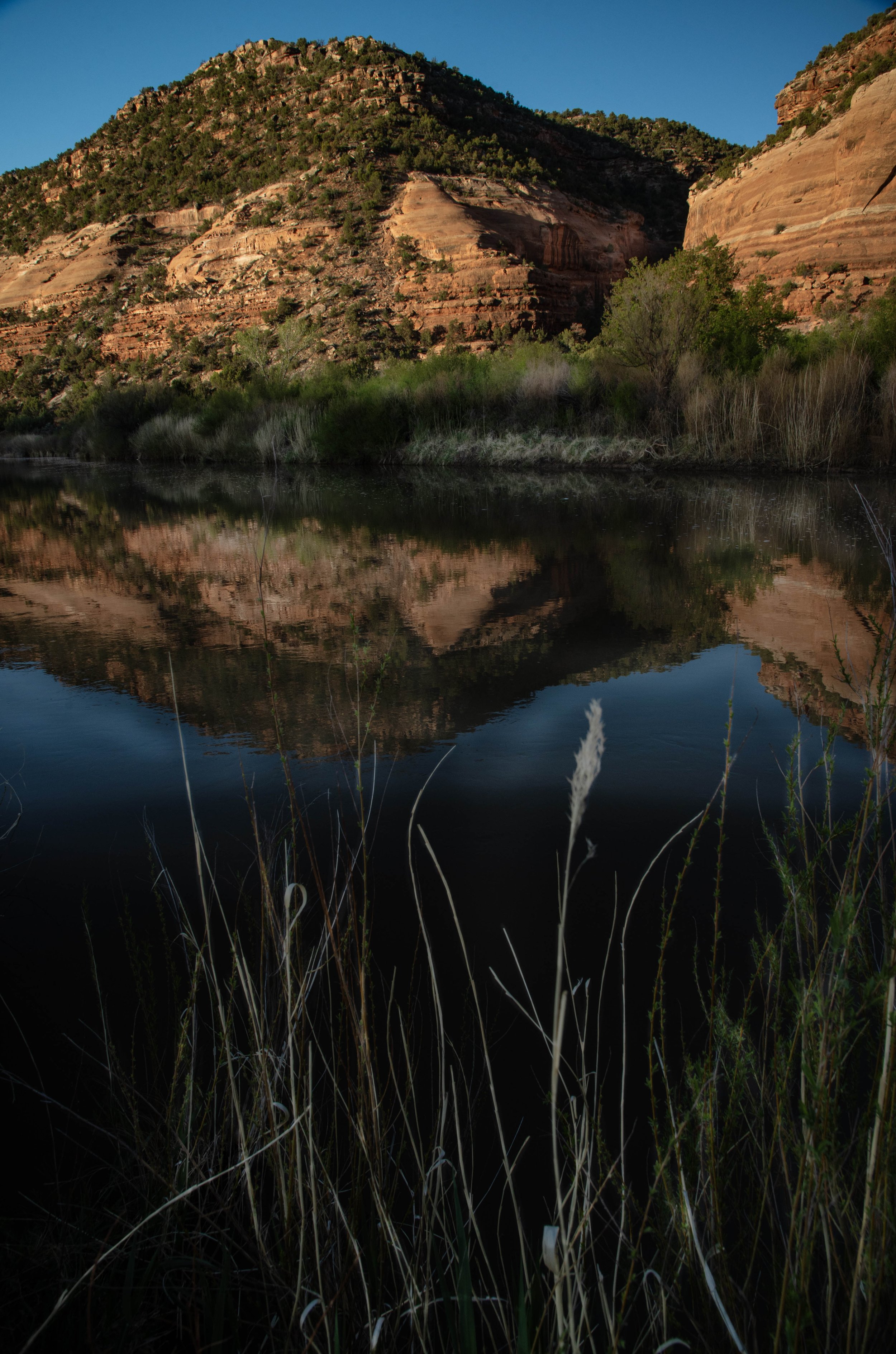
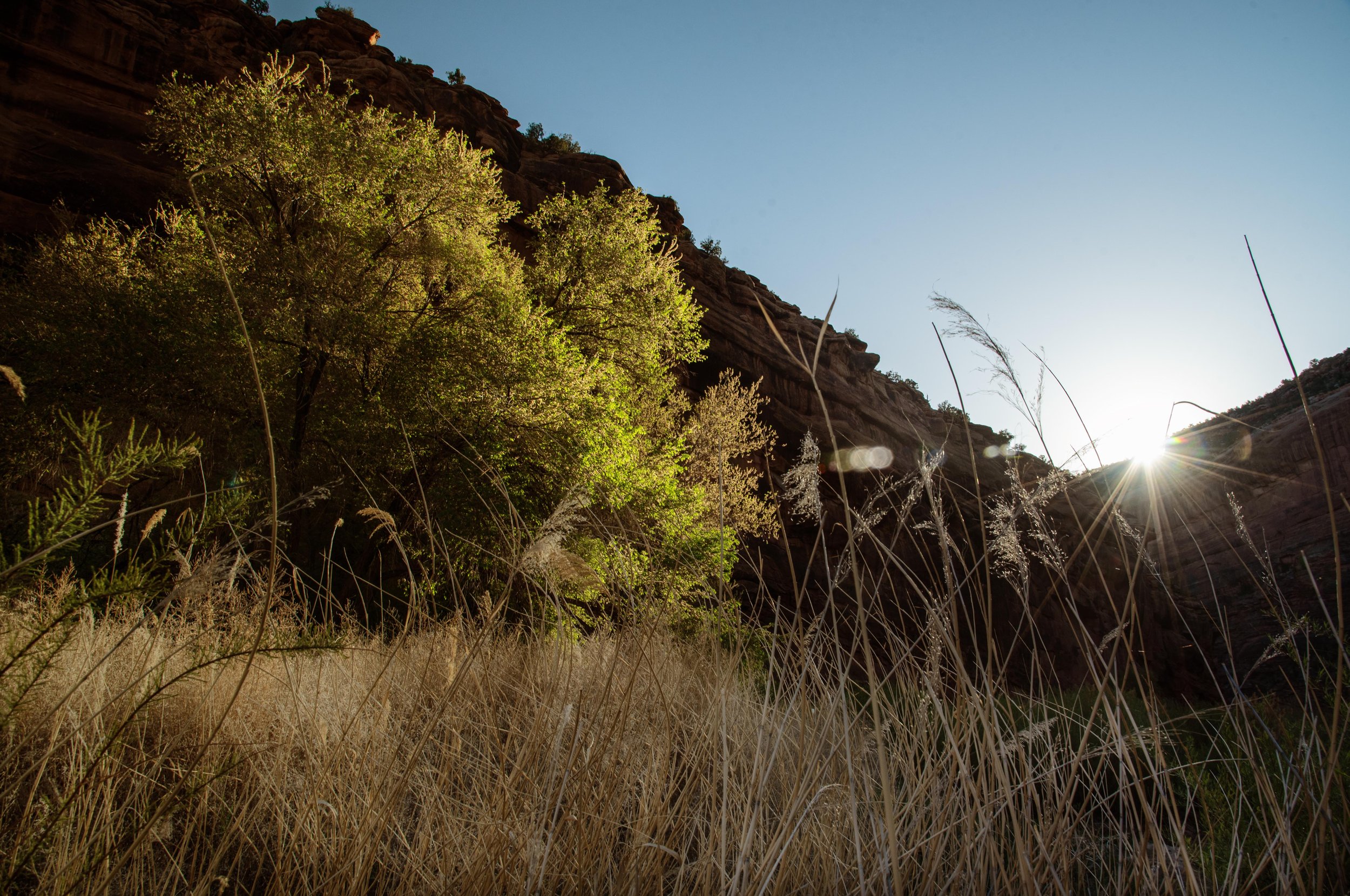
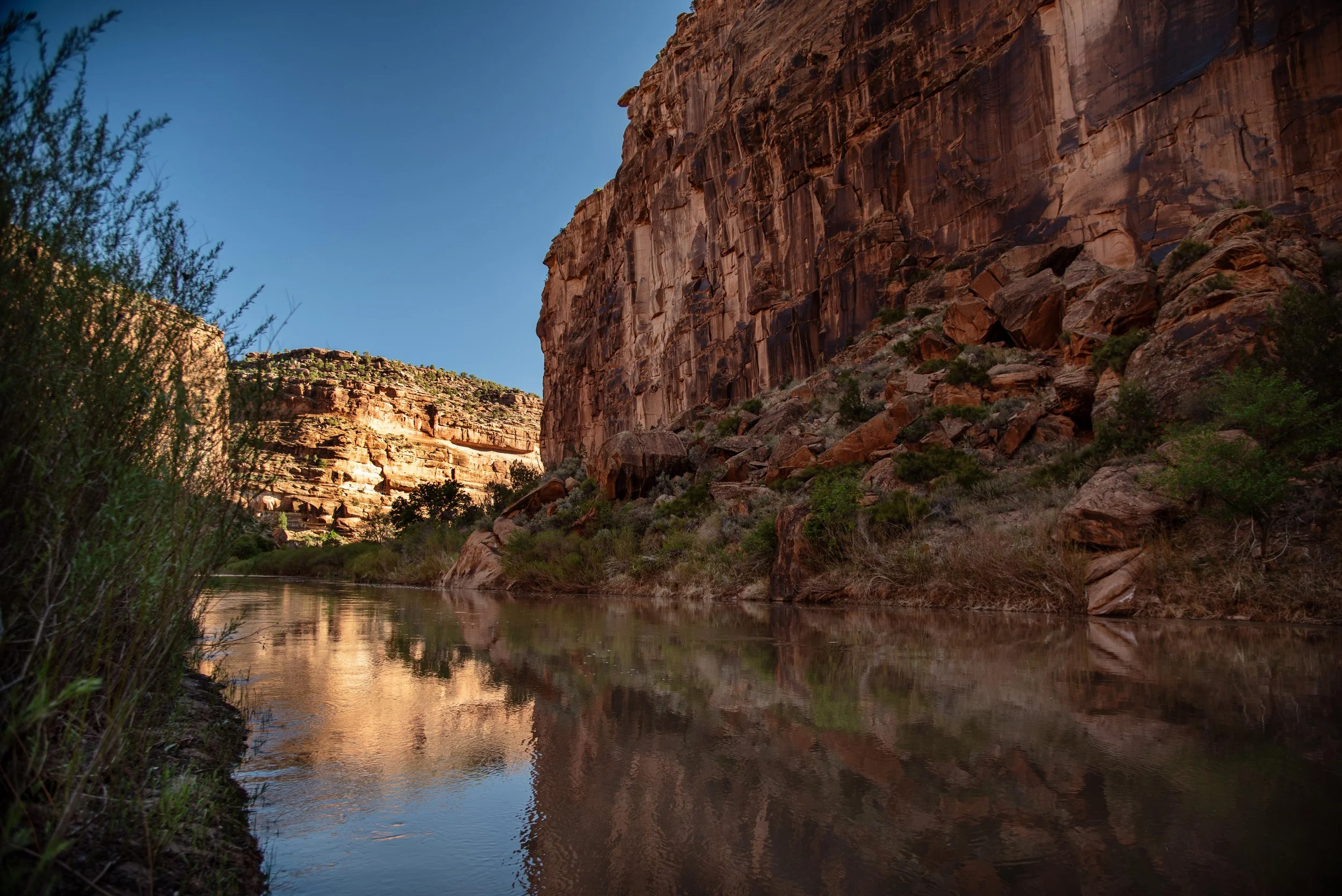
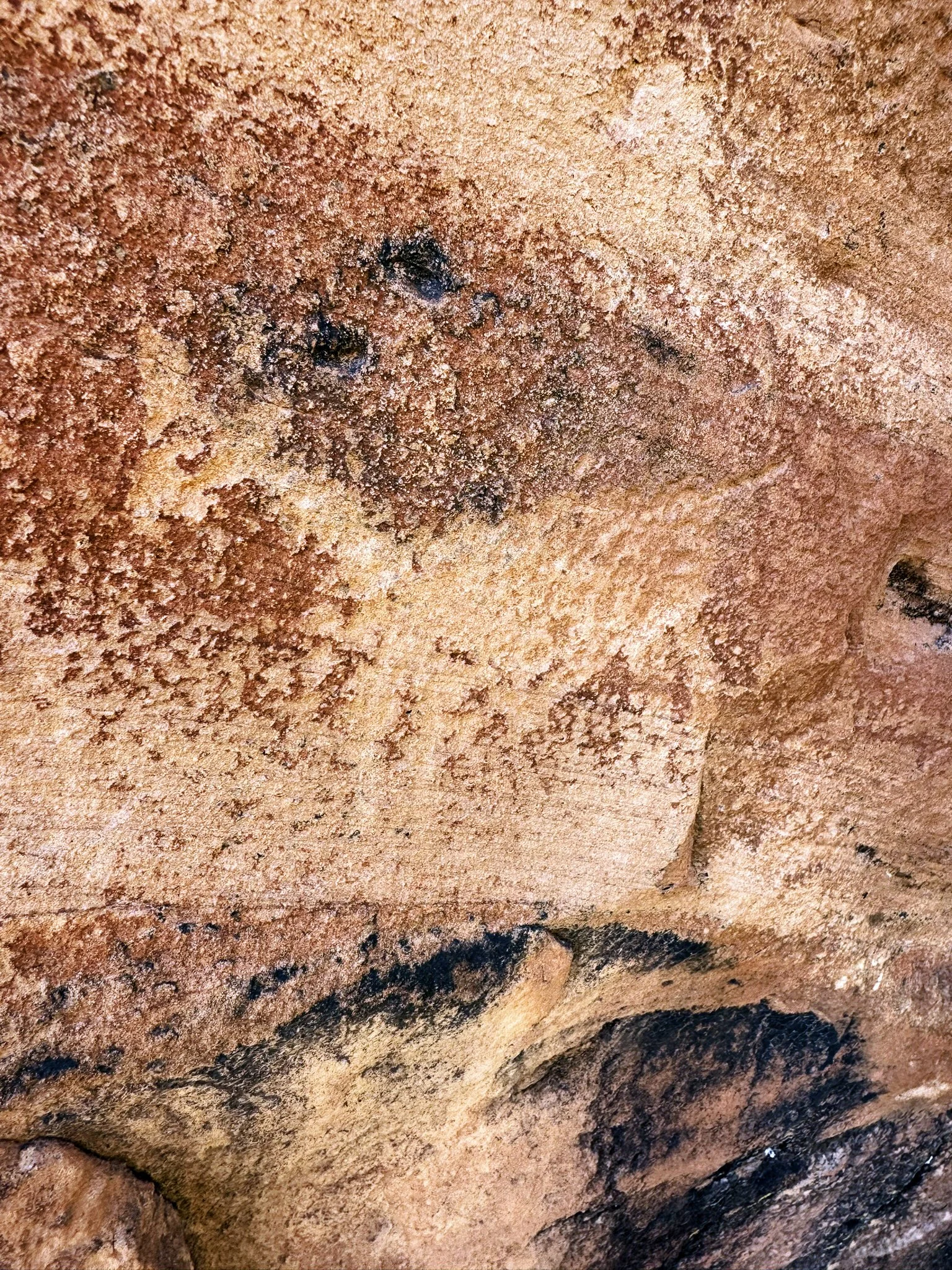
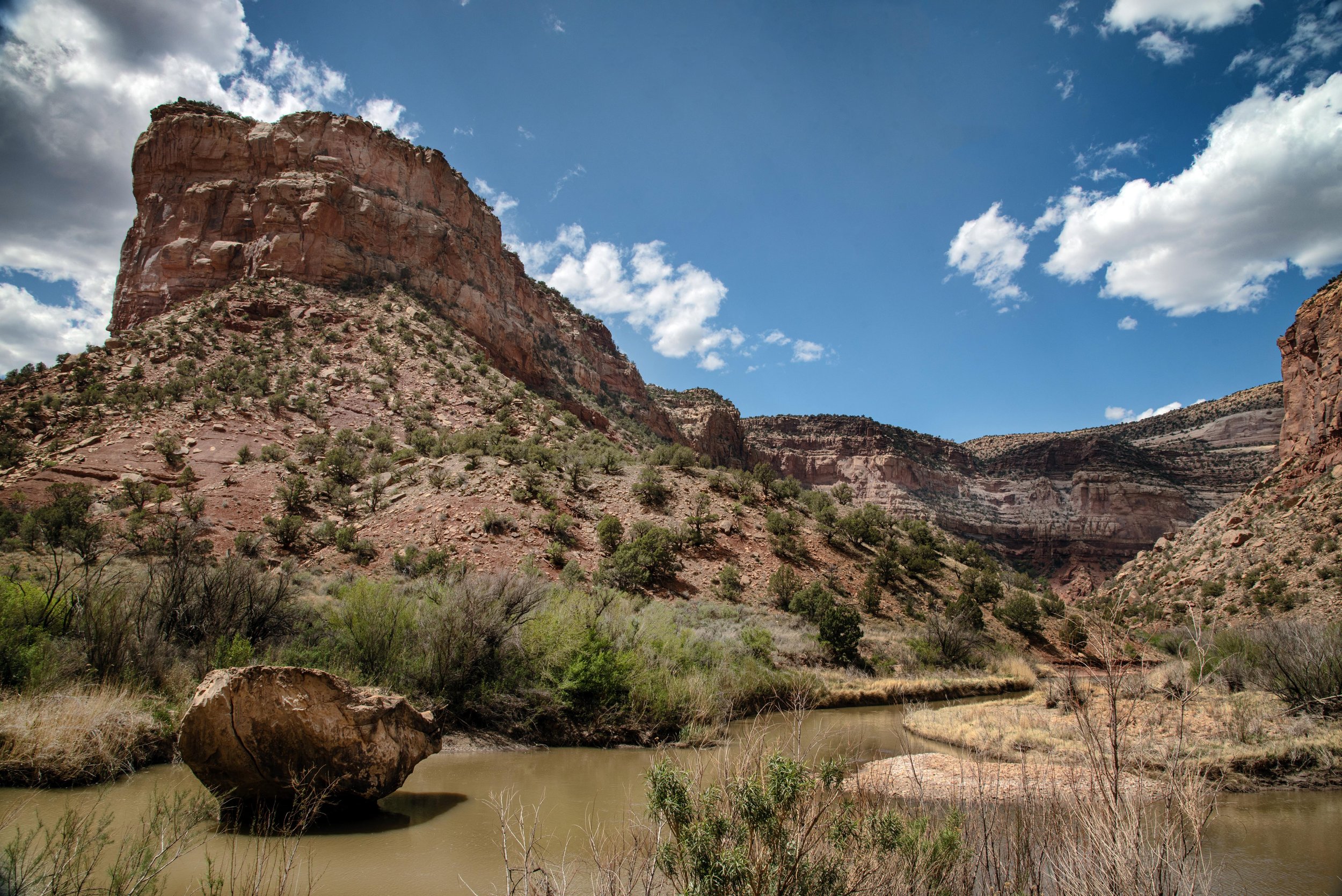
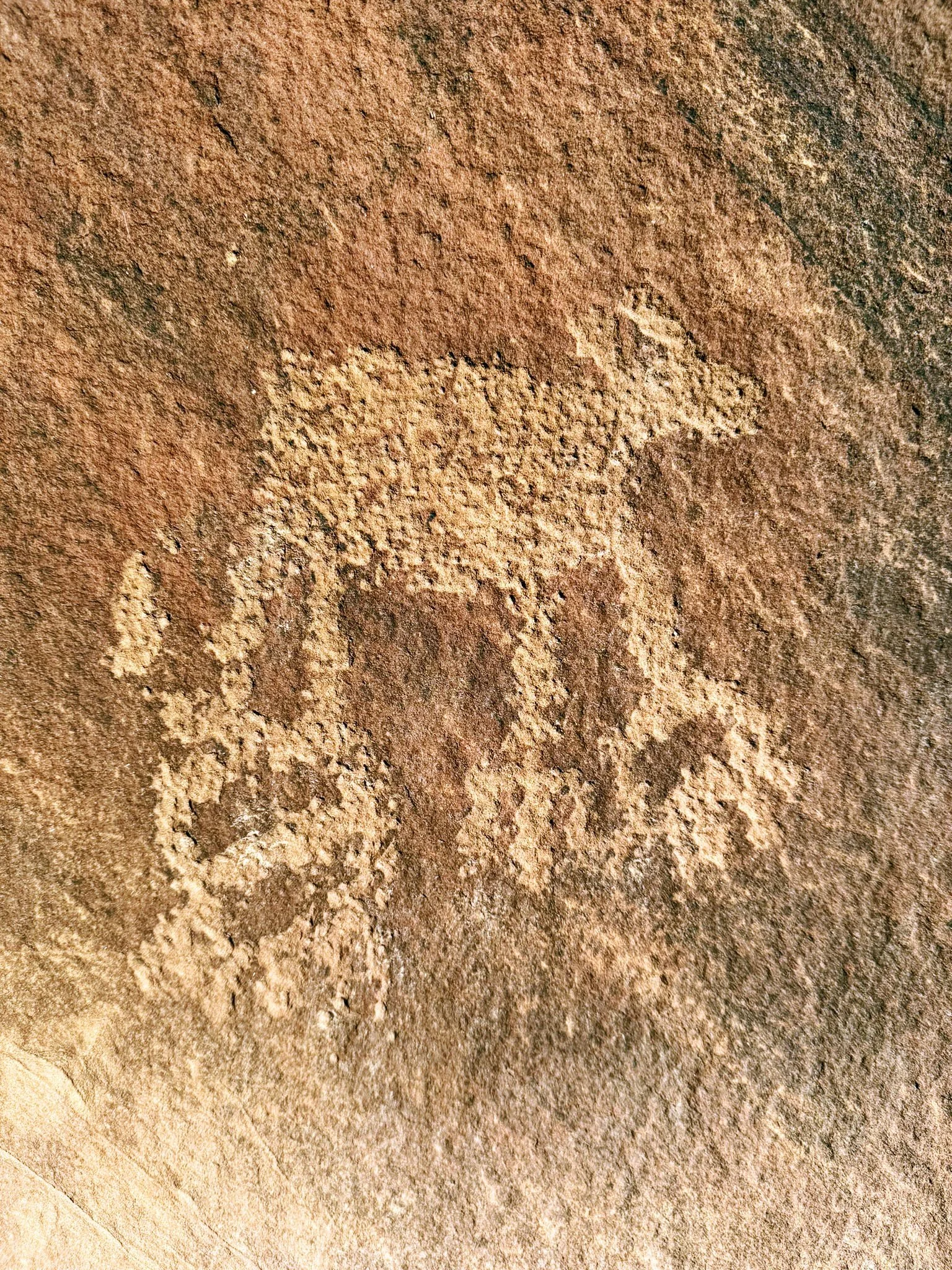
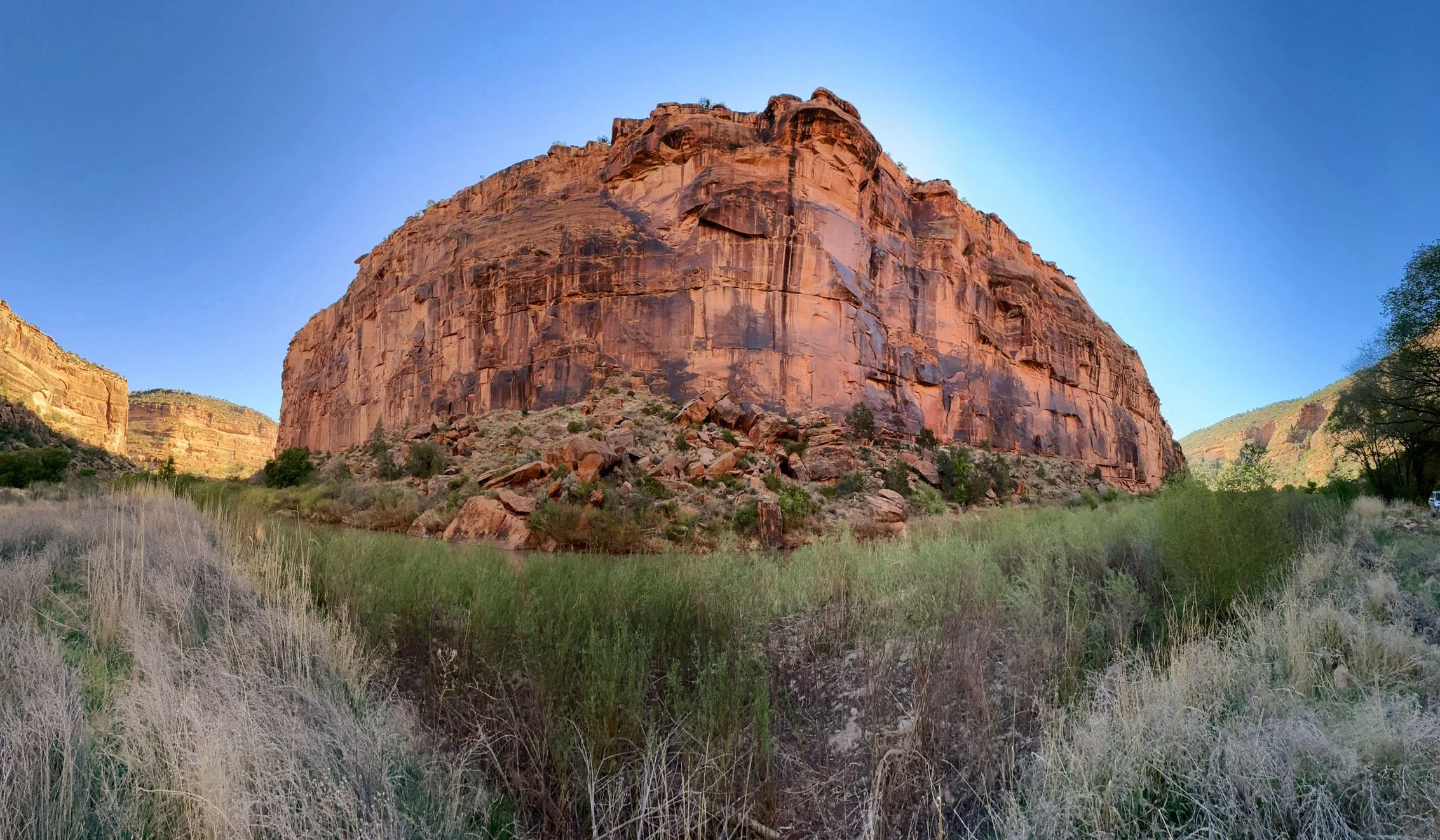
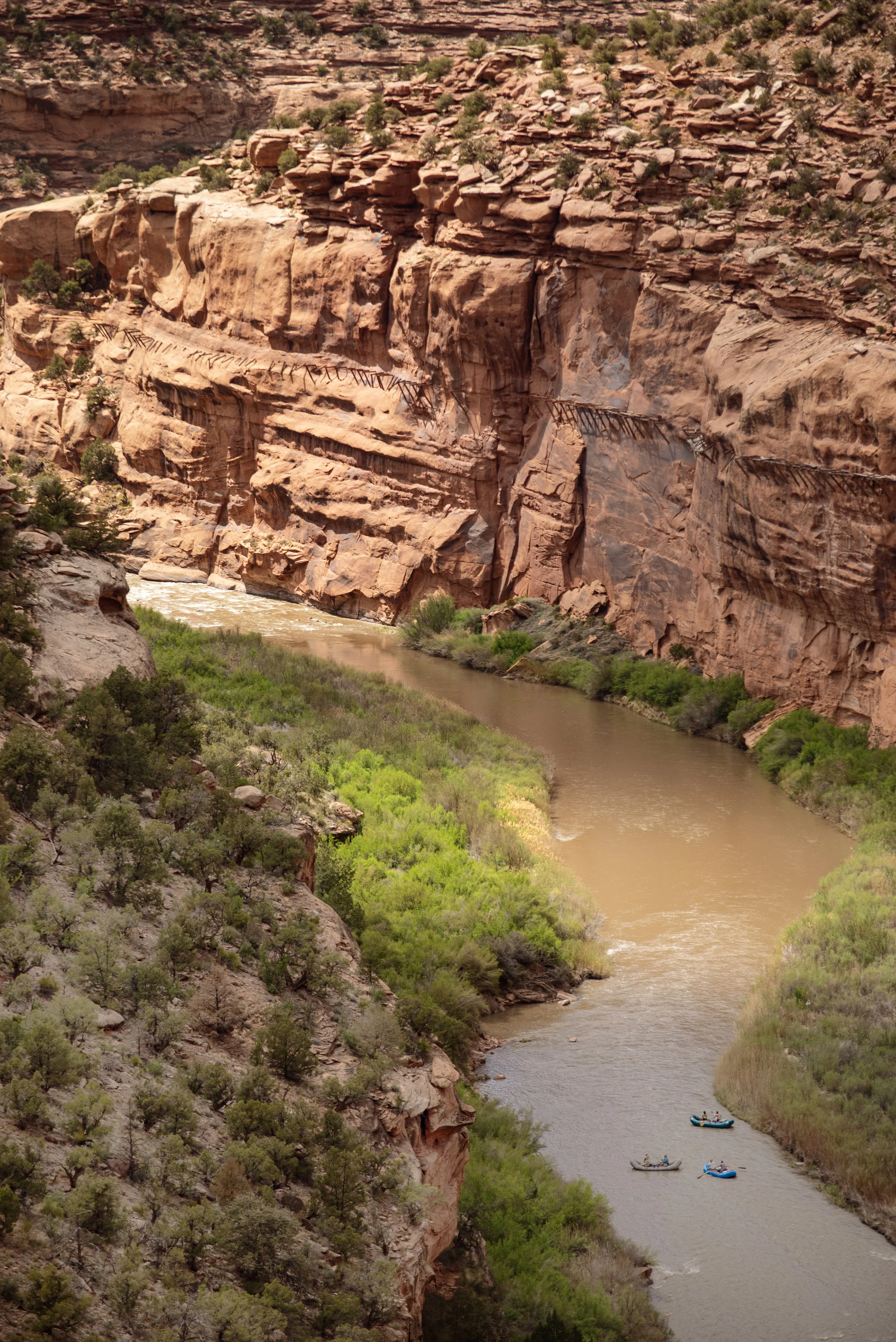
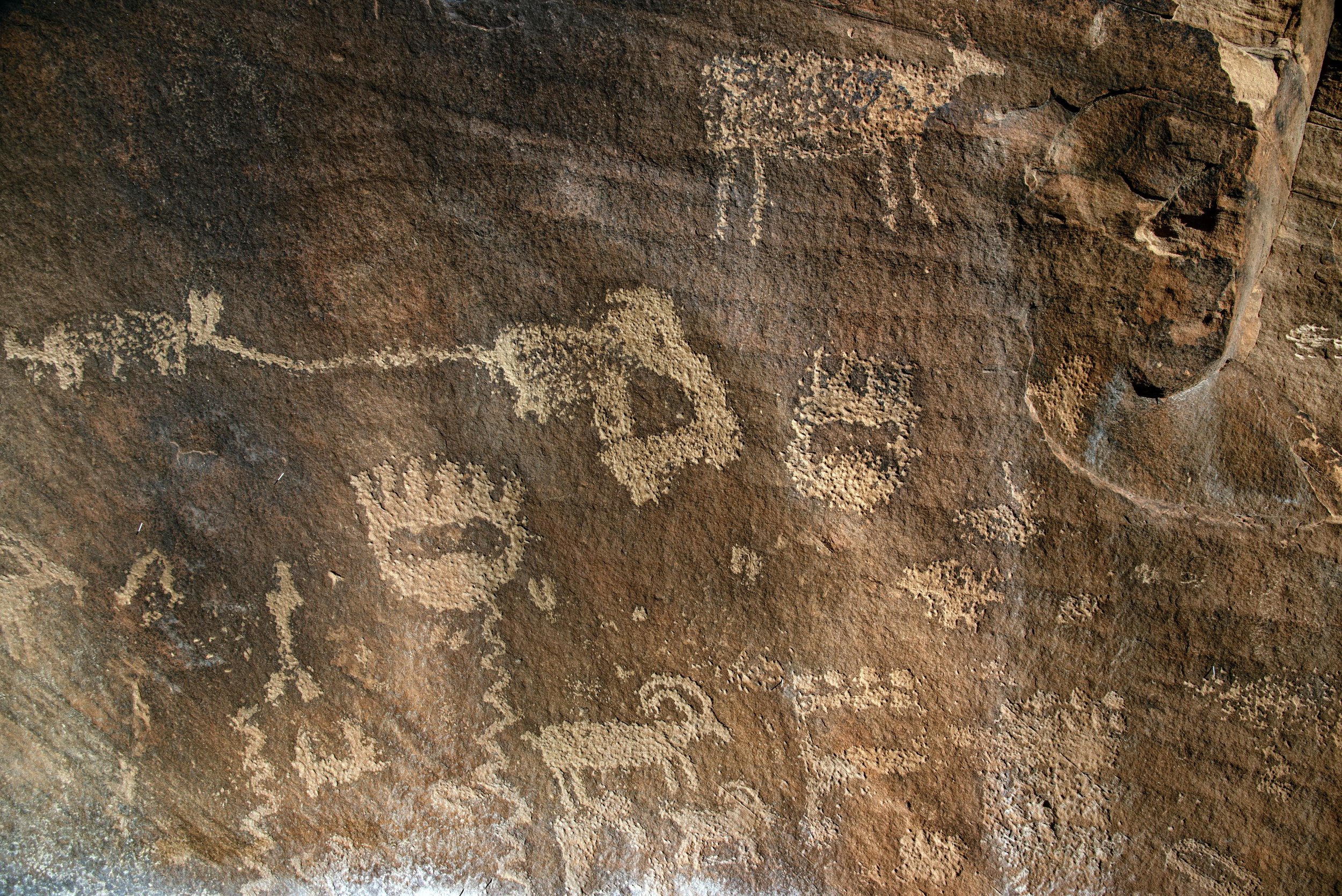
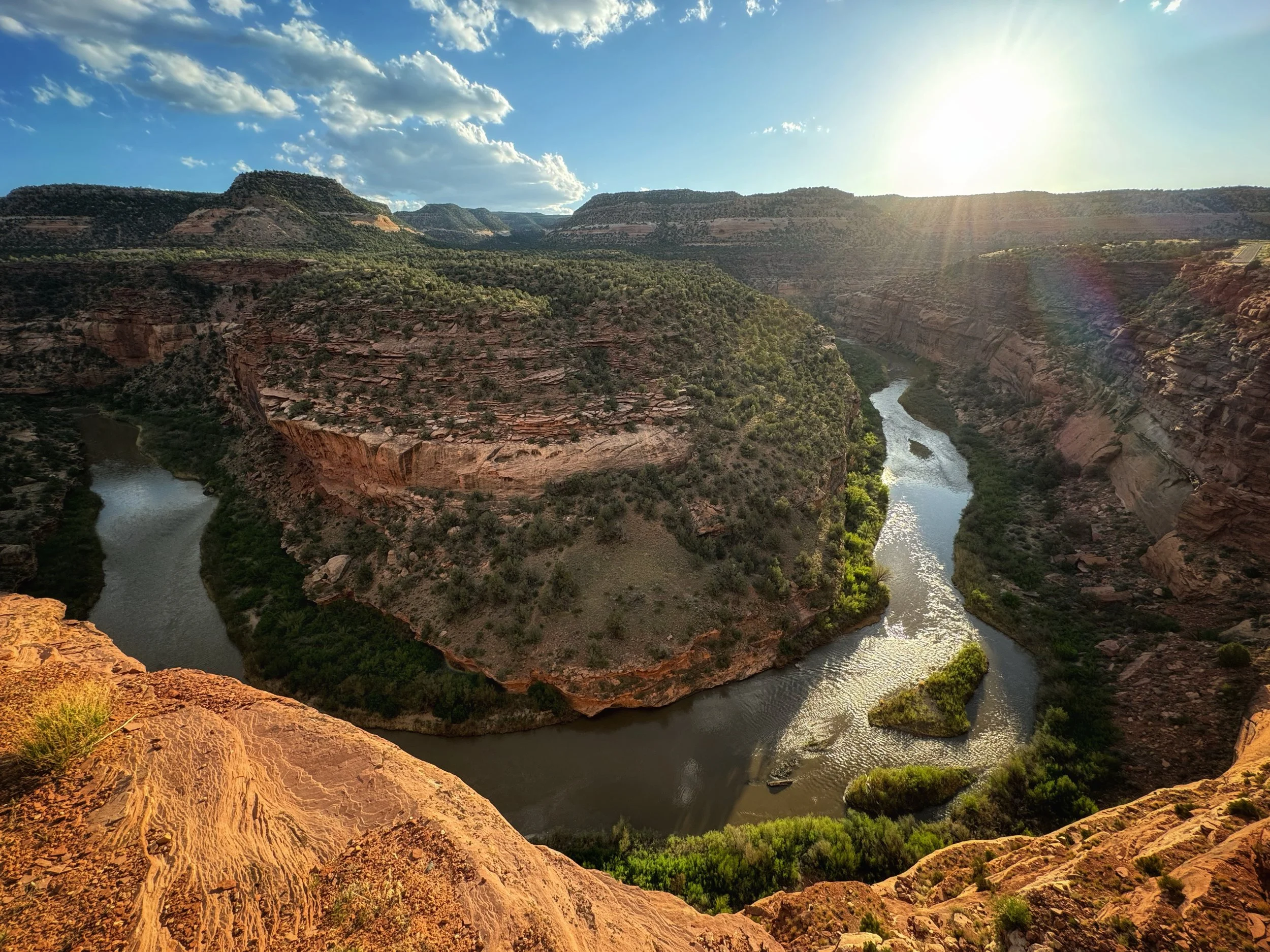
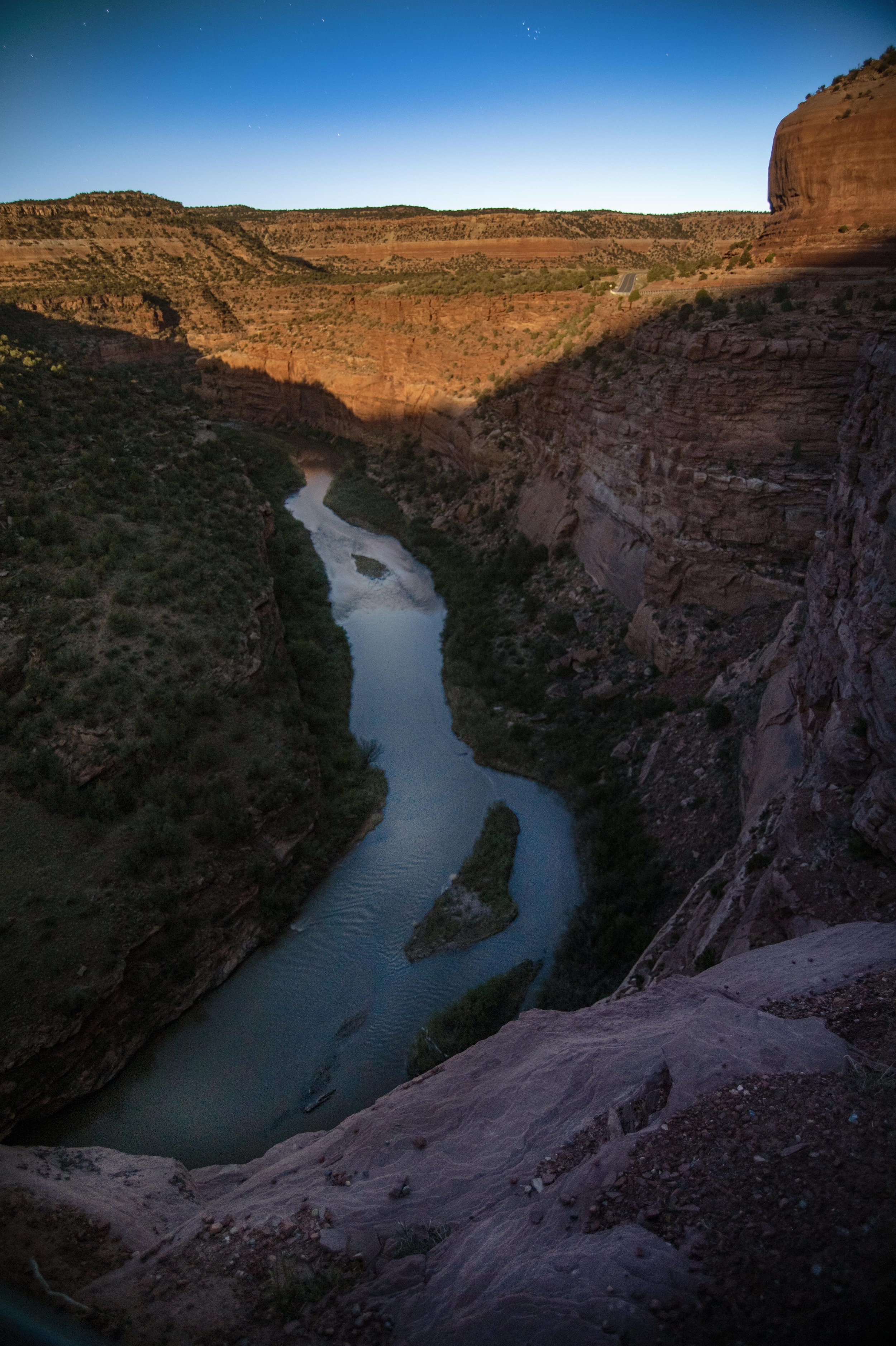
The Dolores River Canyon Country in Southwest Colorado—nearly 500,000 acres of public lands and 162 miles of river—is one of the state’s last truly wild places. The area has been the focus of local advocacy for more than 50 years, beginning with the designation of the Dolores River as an original potential addition in the 1969 Wild and Scenic Rivers Act. The surrounding canyonlands and river have long sustained Indigenous communities, supported rich biodiversity, and anchored small towns shaped by extractive industry cycles. Today, the area faces growing threats, from renewed mining and climate-driven drought and wildfire to limited resources for managing rising visitation.
To effectively protect the area, several groups have joined together to advocate for a two-pronged approach: supporting legislation introduced by Senator Bennet (D-CO) designating a 68,000-acre National Conservation Area, and exploring the potential of establishing a National Monument which will protect the remaining portions of the Dolores River and surrounding landscapes and watershed not covered by the legislation.
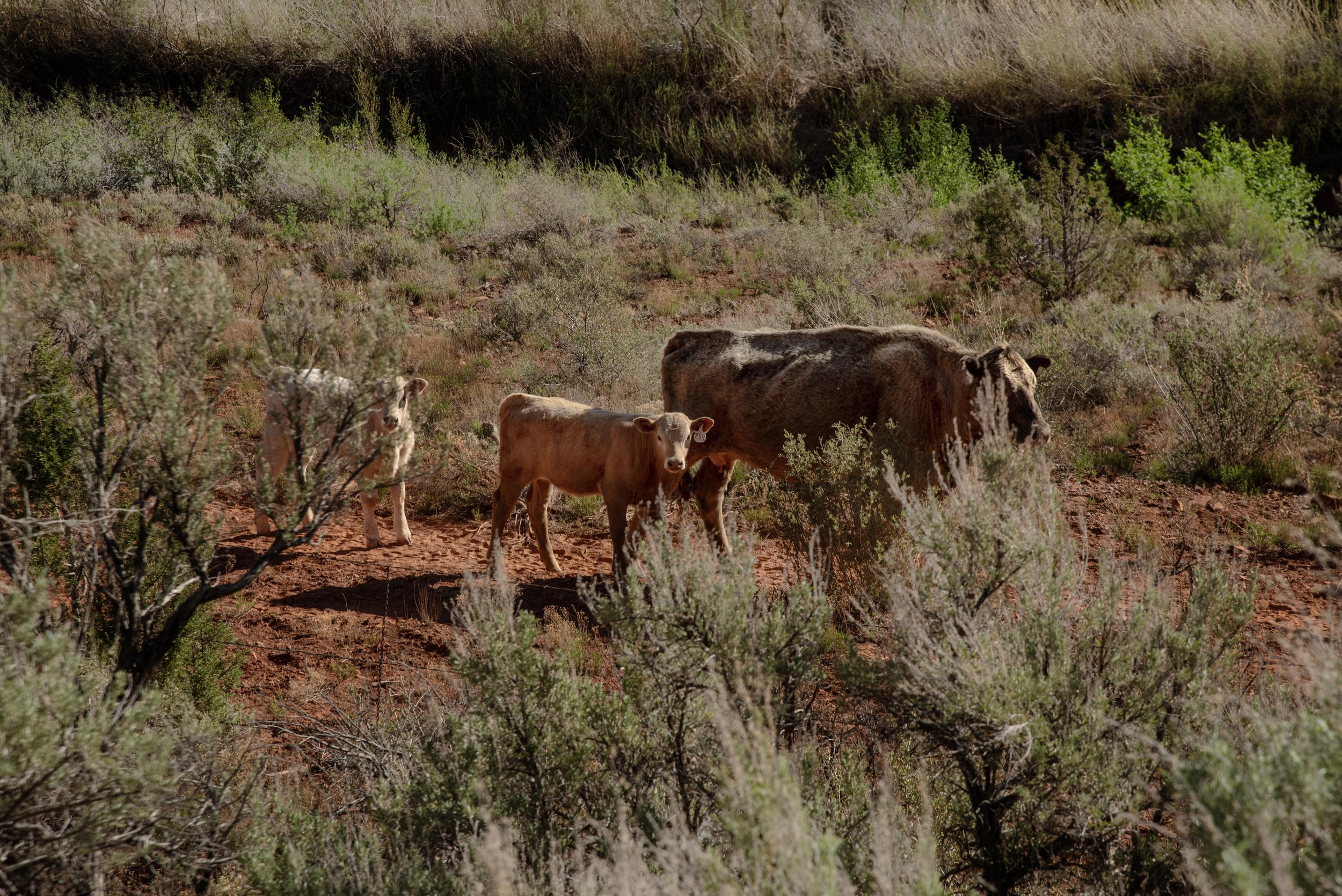
Protect The Dolores advocates say a national monument designation is a needed step in a time of mounting threats to sensitive landscapes. Opponents of the designation have described the proposal as a “land grab” that will close the door on mining, disrupt cattle ranching, and invite thousands of visitors to an area ill-equipped to handle the increased traffic.